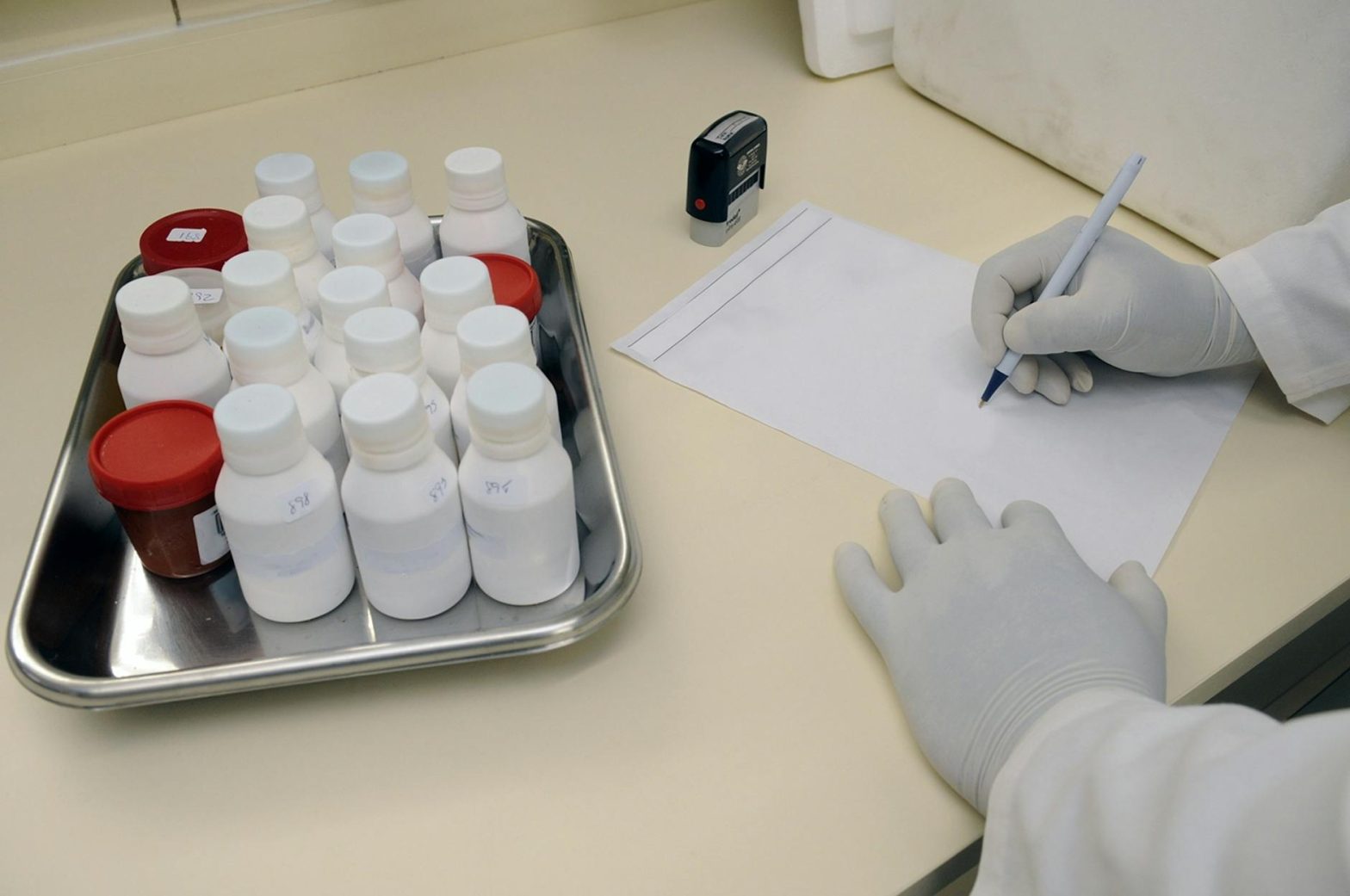
Lab Reports Made Effortless: Ultimate Step-by-Step Guide
Lab reports are an integral part of scientific research and experimentation. They serve as a vital tool for documenting and communicating findings accurately. However, for many students and professionals, the process of creating a lab report can be daunting and overwhelming. In this comprehensive guide, we will break down the essential steps to help you navigate the lab report process with ease.
Understanding the Purpose of a Lab Report
Before diving into the specifics of creating a lab report, it’s crucial to understand the purpose behind it. A lab report is a detailed record of an experiment’s objectives, procedures, results, and conclusions. It not only helps to document the process but also allows others to replicate the experiment and verify the results. Additionally, lab reports serve as a means of communication within the scientific community, enabling researchers to share their findings with peers.
Choosing the Right Format
The first step in creating a lab report is selecting the appropriate format. While specific requirements may vary depending on the institution or field of study, most lab reports typically follow a standard structure. The basic components of a lab report include:
Title: Clearly indicating the purpose of the experiment.
Introduction: Providing background information and stating the research question or hypothesis.
Materials and Methods: Detailing the procedures followed during the experiment.
Results: Presenting the data collected in an organized manner, such as tables, graphs, or figures.
Discussion: Analyzing the results, drawing conclusions, and discussing the implications of the findings.
References: Citing any sources or references used in the experiment.
Following this structured format will help ensure that your lab report is clear, organized, and easy to follow.
Gathering and Analyzing Data
Once you have conducted your experiment, it’s time to gather and analyze the data. This step is crucial in determining the validity of your findings and drawing meaningful conclusions. Make sure to organize your data in a logical manner and use appropriate tools, such as statistical analysis, to interpret the results accurately. Remember to include any uncertainties or limitations in your findings to provide a comprehensive overview of the experiment.
Writing the Lab Report
With all the necessary data and analysis in hand, it’s time to start writing your lab report. Begin by drafting each section sequentially, following the structure outlined earlier. Write concisely and clearly, using scientific language appropriate for your audience. Be sure to include all relevant details, such as calculations, observations, and any unexpected results.
Proofreading and Editing
Before finalizing your lab report, take the time to proofread and edit your work thoroughly. Check for spelling and grammar errors, ensure consistency in formatting, and verify that all information is accurate and complete. It may also be helpful to have a peer or mentor review your lab report for feedback and suggestions.
In conclusion, creating a lab report doesn’t have to be a daunting task. By following this step-by-step guide and approaching the process methodically, you can streamline the creation of your lab reports and communicate your research findings effectively. Remember, practice makes perfect, so don’t be discouraged if your first attempts are not flawless. With time and experience, you will become more proficient in producing high-quality lab reports that showcase your scientific endeavors accurately.